Postpartum Pelvic Health: Why New Mums Deserve Some TLC
Between nappy changes, sleepless nights, and learning to navigate life with a newborn, your pelvic floor can easily get overlooked. Here’s why postpartum pelvic care matters – and how structured training can help.
Life with a new baby is beautiful, chaotic, and relentless – often all at once. Between caring for your little one and trying to grab a few hours of sleep, it’s easy to push your own recovery to the bottom of the list. But those small signs – a leak when you laugh, a heaviness you can’t quite explain, discomfort during everyday movements – are your body telling you that your pelvic floor needs attention.
You’re not alone in this. Pelvic floor issues after childbirth are incredibly common, yet many new mums feel unsure about where to start or whether what they’re experiencing is normal. The good news? With the right approach, structured pelvic floor training can make a genuine difference.
Why Pregnancy and Birth Affect Your Pelvic Floor
During pregnancy, your pelvic floor muscles bear the increasing weight of your growing baby, placenta, and amniotic fluid for months on end. The hormonal changes of pregnancy also soften the connective tissues in your pelvis to prepare for birth – which is helpful for delivery but can leave the muscles stretched and weakened afterwards.
Vaginal delivery places further strain on these muscles, and even caesarean births can affect pelvic floor function due to the months of load-bearing during pregnancy itself.
The result? Many new mums experience some degree of urinary leakage, reduced muscle awareness, or a feeling of weakness in their pelvic region after giving birth.
The Challenge with Kegels After Birth
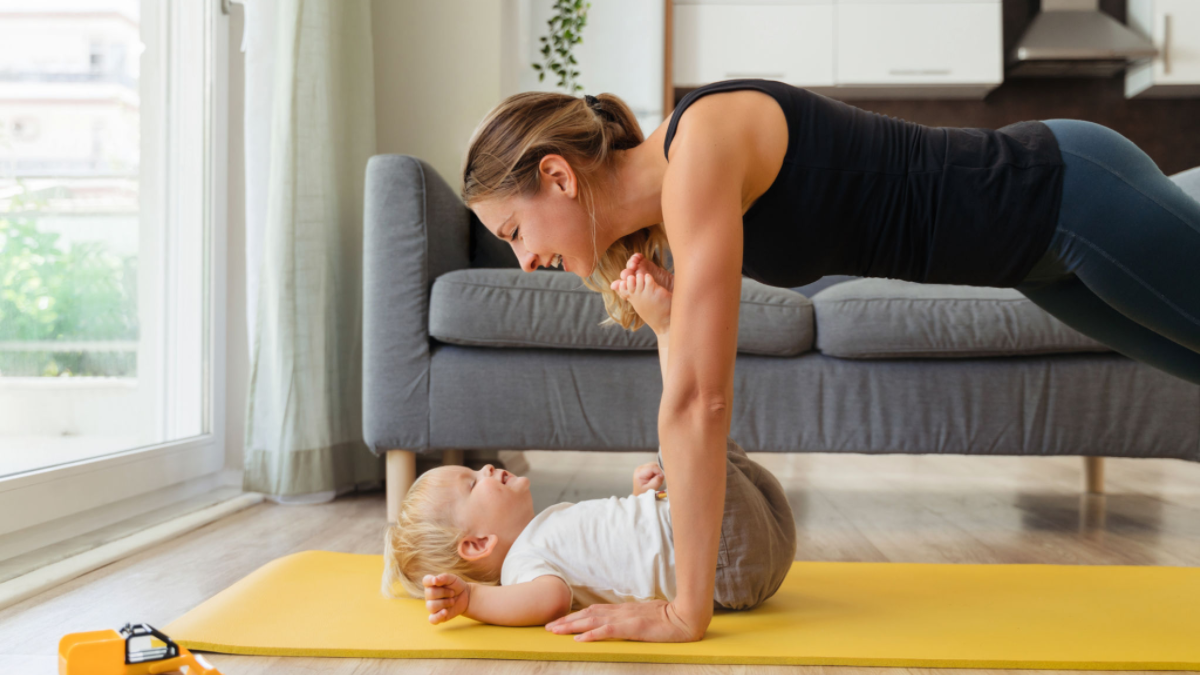
Gentle postpartum exercise supports pelvic floor recovery
Kegel exercises are widely recommended for postnatal recovery, and for good reason – they target the very muscles that need rebuilding. However, many women find them difficult to do effectively without guidance. After childbirth, the connection between your brain and your pelvic floor muscles can feel diminished. You might squeeze and wonder: am I actually doing anything?
Without clear feedback, it’s easy to lose confidence, skip sessions, or give up altogether – especially when you’re already exhausted and stretched thin.
What Structured Training Looks Like
This is where a more guided approach can be transformative. Using a pelvic floor training tool like the Empelvic cushion provides tactile feedback that helps you locate and engage the correct muscles. Rather than guessing, you can feel the connection as you exercise, which builds confidence and motivation over time.
Empelvic combines gentle pressure with breathwork-based exercises, working with the natural relationship between your breath and your pelvic floor movement. The exercises are designed to improve muscle awareness, encourage both strength and relaxation, and support recovery at a pace that suits you.
What Women Have Experienced
Women who have committed to regular pelvic floor training with Empelvic have reported a range of meaningful improvements:
Reduced leakage – Some women noticed significant improvement in bladder control during activities like sneezing, coughing, and exercise within just a few weeks of consistent use.
Better muscle awareness – Many reported being able to identify and engage their pelvic floor muscles properly for the first time, which gave them confidence that they were training effectively.
Return to activity – Activities like running, skipping, and group fitness became enjoyable again, with fewer concerns about embarrassing leaks.
Improved confidence – Beyond the physical benefits, women described feeling more in control of their bodies and their recovery, which had a positive effect on their overall wellbeing.
Consistency became easier – The structured nature of the training helped women build a daily habit, and many found the short sessions easy to fit into even the busiest schedules.
Making It Part of Your Routine
One of the biggest barriers to postpartum pelvic floor recovery is simply finding the time and headspace to prioritise it. The key is to start small and stay consistent. Even five minutes a day can make a difference when you’re training effectively.
Many women find it helpful to link their pelvic floor exercises to an existing habit – first thing in the morning, while the baby naps, or as part of their wind-down routine before bed.
When to Seek Professional Help
If you’re experiencing persistent symptoms such as ongoing leakage, pelvic pain, a feeling of heaviness or dragging in the vaginal area, or pain during intimacy, it’s important to speak with a healthcare professional. A pelvic health physiotherapist can provide a thorough assessment and create a tailored recovery plan.
Pelvic floor issues after childbirth are common, but they don’t have to be permanent. With the right support and a consistent approach to training, recovery is absolutely possible – and you deserve to feel strong, confident, and comfortable in your own body again.